The Terroir of the North
The tea plantations of Mae Salong and Choui Fong benefit from a unique microclimate. The high altitude ensures cooler temperatures and frequent mist, which slows the growth of the tea leaves. This "stress" allows the plant to develop a higher concentration of aromatic compounds and antioxidants compared to lowland tea.
The soil in Chiang Rai is naturally rich in iron and slightly acidic—perfect conditions for the Camellia sinensis var. assamica plants that form the backbone of a traditional Thai Tea blend.
From Leaf to "Cha Yen"
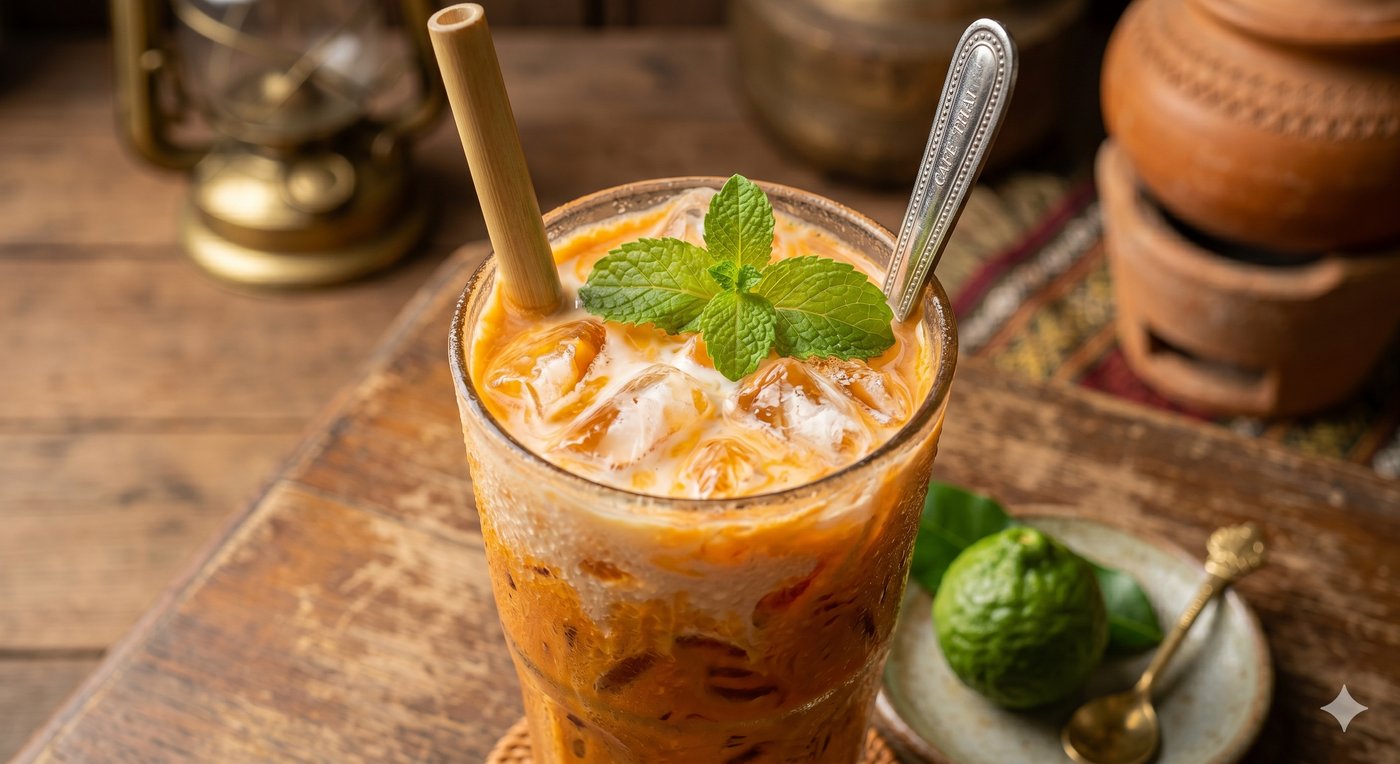
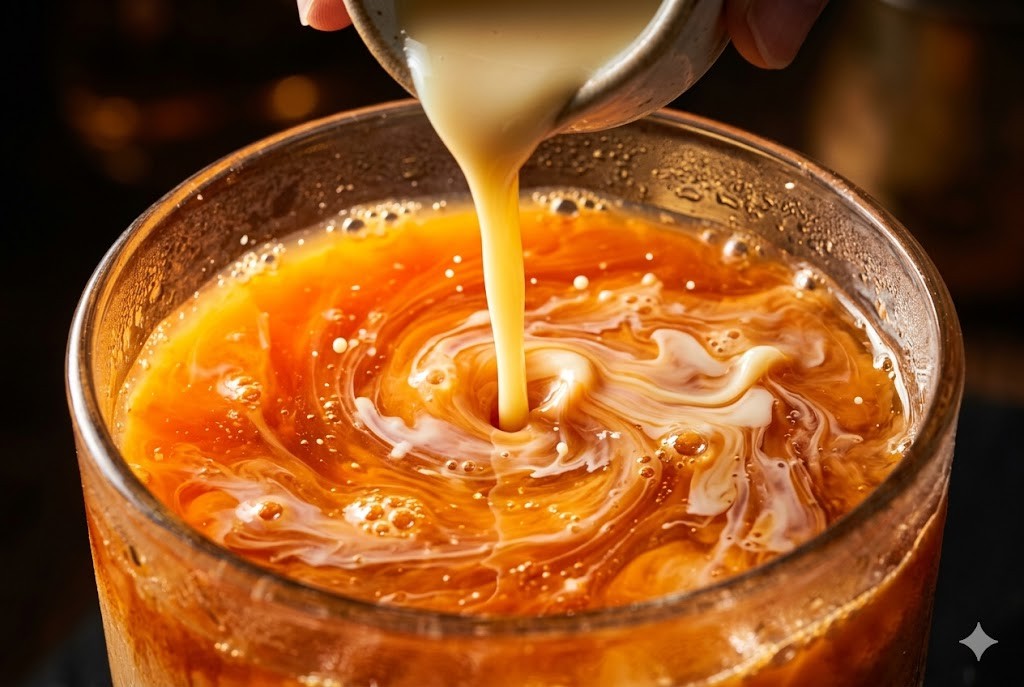
Unlike traditional Chinese green teas, the leaves destined for Thai Tea undergo a deep oxidation process. They are roasted with specific spices—star anise, cloves, and sometimes cinnamon—which gives them that deep, ruby-red base that turns sunset orange when mixed with milk.
Architect's Sourcing Note
In 2026, we are seeing a shift toward "Single Origin" Thai Tea. Instead of mass-market blends, premium shops are now specifying the exact village in Chiang Rai where their leaves are harvested. Look for labels mentioning Doi Mae Salong for the most refined floral notes.
Assamica Leaves
· Chiang Rai ·
Taste the Terroir
Experience the single-origin difference. Brew with the authentic, high-altitude Assamica leaves harvested from the misty ridges of Chiang Rai.
Source Authentic Leaves on Amazon/Lazada →