Home › Recipes › Best Thai Tea Brands (2026)
The Best Thai Tea Brands (2026): Brewed Side by Side
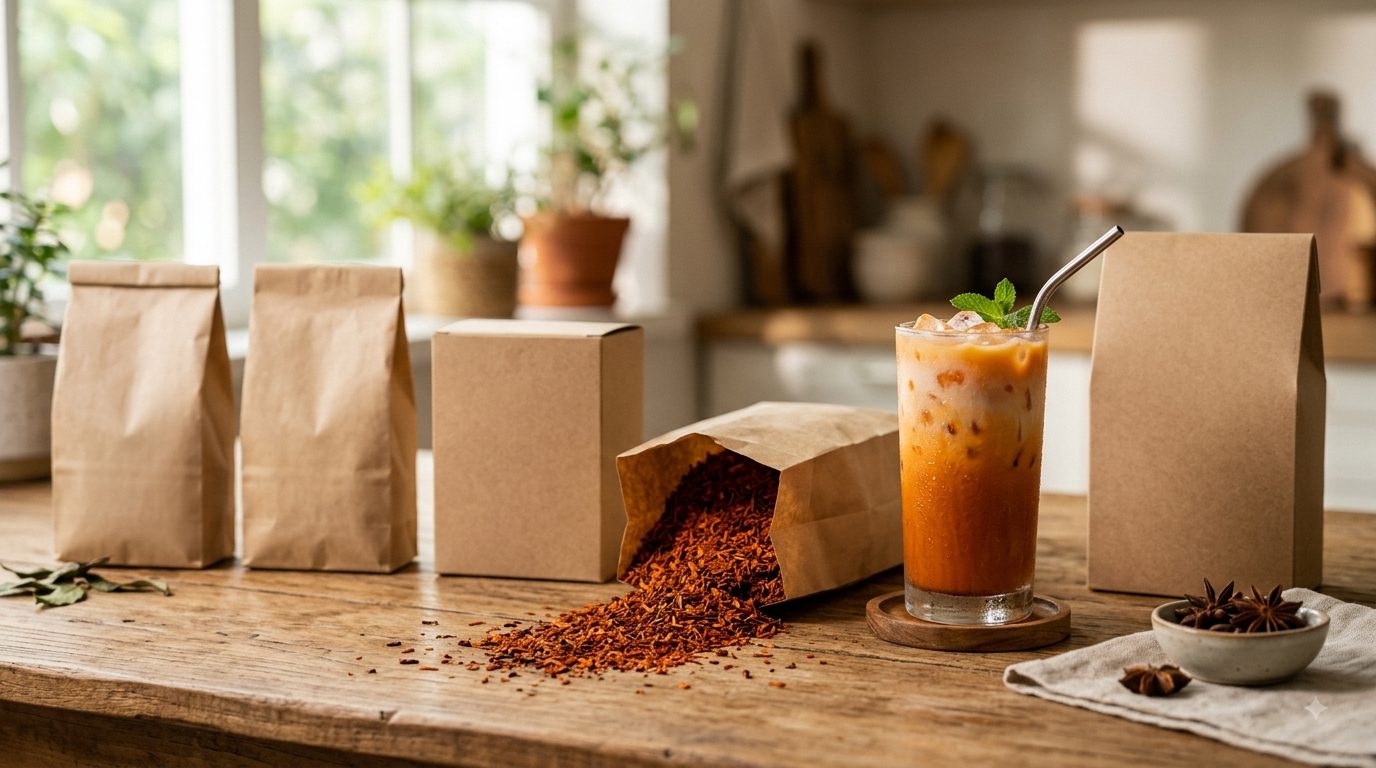
The mix is the whole ballgame in Thai iced tea — it decides your flavor, your color, and how close you land to a real Bangkok stall. We brewed the big names back to back: same water, same condensed milk, same pour. Here's what's worth buying in 2026, and the one we reach for first.
How we judged them
Four things separate a great Thai tea mix from a flat one, and we scored every brand on all four:
- Roast depth. Real Cha Yen is heavily roasted — that malty, almost-caramel backbone is non-negotiable. A thin, weak brew is the number-one giveaway of a cheap mix.
- Spicing. Star anise, tamarind seed, sometimes a little vanilla. This is what makes it taste like Thai tea and not just sweet milky black tea.
- Color. The neon orange is food dye. Decide up front whether you want the classic glow or a clean, natural amber.
- Value. One 400g bag makes roughly 40–50 glasses, so even the "pricey" mixes cost a few cents per serving. The price tier below is relative, not a dealbreaker.
Thai tea mixes compared
| Brand | Flavor profile | Color | Best for | Price | Buy |
|---|---|---|---|---|---|
| ChaTraMue (Number One) | Deep roast, balanced spice, classic | Neon orange (dyed) | The authentic street-stall taste | $$ | Amazon → |
| Pantai (Pantainorasingh) | Bold, a touch sweeter, forgiving | Neon orange (dyed) | Big batches & pitchers | $ | Amazon → |
| Hand Brand | Strong, punchy, slightly coarser | Neon orange (dyed) | A cheaper ChaTraMue stand-in | $ | Amazon → |
| Wangderm | Milder roast, finer powder, fast | Orange (dyed) | Quick weekday cups | $$ | Amazon → |
| Yim Natural (no dye) | Clean roast & spice, uncolored | Natural amber | Clean-label drinkers | $$ | Amazon → |
| From scratch (Assam + spice) | Whatever you build it to be | Natural amber | Tinkerers & purists | $–$$$ | Our method → |
Price tier is relative, per bag — every mix here works out to just a few cents per glass.
1. ChaTraMue (Number One Brand) — the one to buy
This is the benchmark, and after brewing the whole lineup back to back it's still the bag we'd hand a first-timer. It's the mix behind the overwhelming majority of stalls in Bangkok, so a home cup lands almost exactly where your memory of the drink sits: deep roasted tea, that warm anise-and-tamarind hum, and the orange glow with zero effort. Nothing else in the test nailed the balance as cleanly — Hand Brand gets close but a hair rougher. If you buy one bag, buy this one.
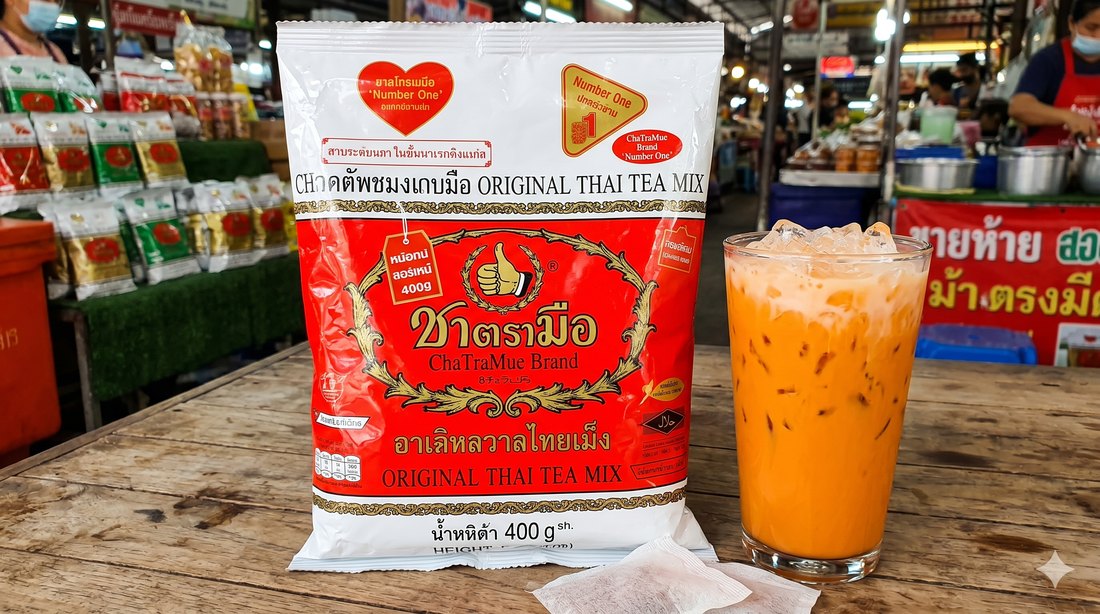
The gold-standard dyed blend. Roughly 40–50 glasses per bag, pennies per serving.
Check price on Amazon →2. Pantai / Pantainorasingh — the batch brewer's pick
Pantai is the bag we grab when we're making a pitcher for a crowd. It brews bold and takes sweetener happily, which makes it very forgiving — hard to under-brew, hard to mess up. Next to ChaTraMue it's a shade sweeter and a touch less complex on the roast, but honestly most people wouldn't clock the difference once condensed milk and ice are in. Great value and easy to find.
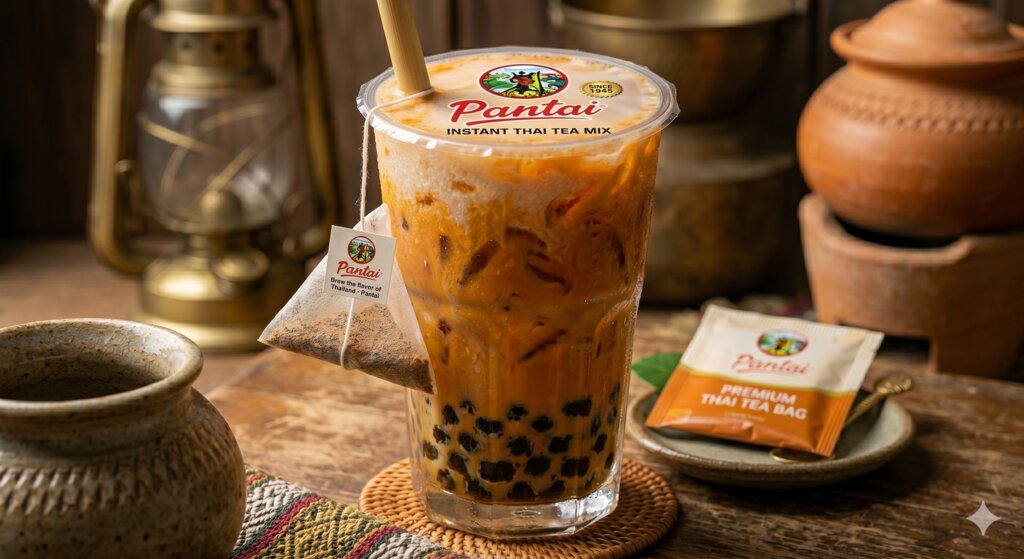
Reliable, bold, budget-friendly. Our go-to for iced tea by the pitcher.
Check price on Amazon →3. Hand Brand — the value stand-in
Hand Brand is the closest thing to a ChaTraMue dupe in the test. Strong, properly roasted, unmistakably Thai tea — it just runs a little coarser and less polished, with a slightly blunter finish. If your usual bag is sold out, or you want to shave a bit off the cost without dropping to something thin and weak, this is the safe swap.
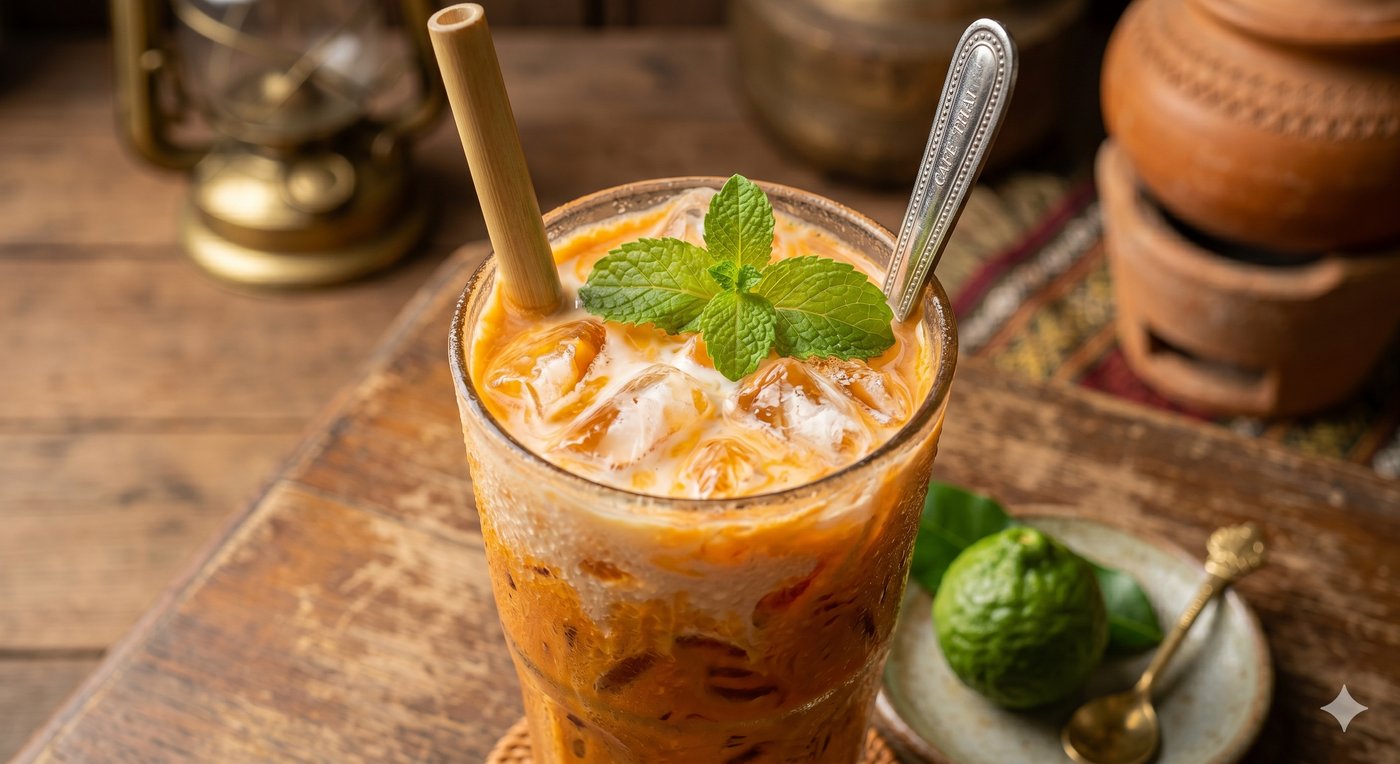
Bold and authentic for less. A dependable everyday alternative.
Check price on Amazon →4. Wangderm — the fast weekday cup
Wangderm grinds finer, almost powdery, so it steeps and strains faster than the coarse-leaf blends — handy on a weekday when you just want a cup in three minutes. The trade-off is a milder roast: smoother and a little less bold, which some people actually prefer for a lighter iced tea. Not our top pick for authenticity, but a genuinely convenient everyday option.
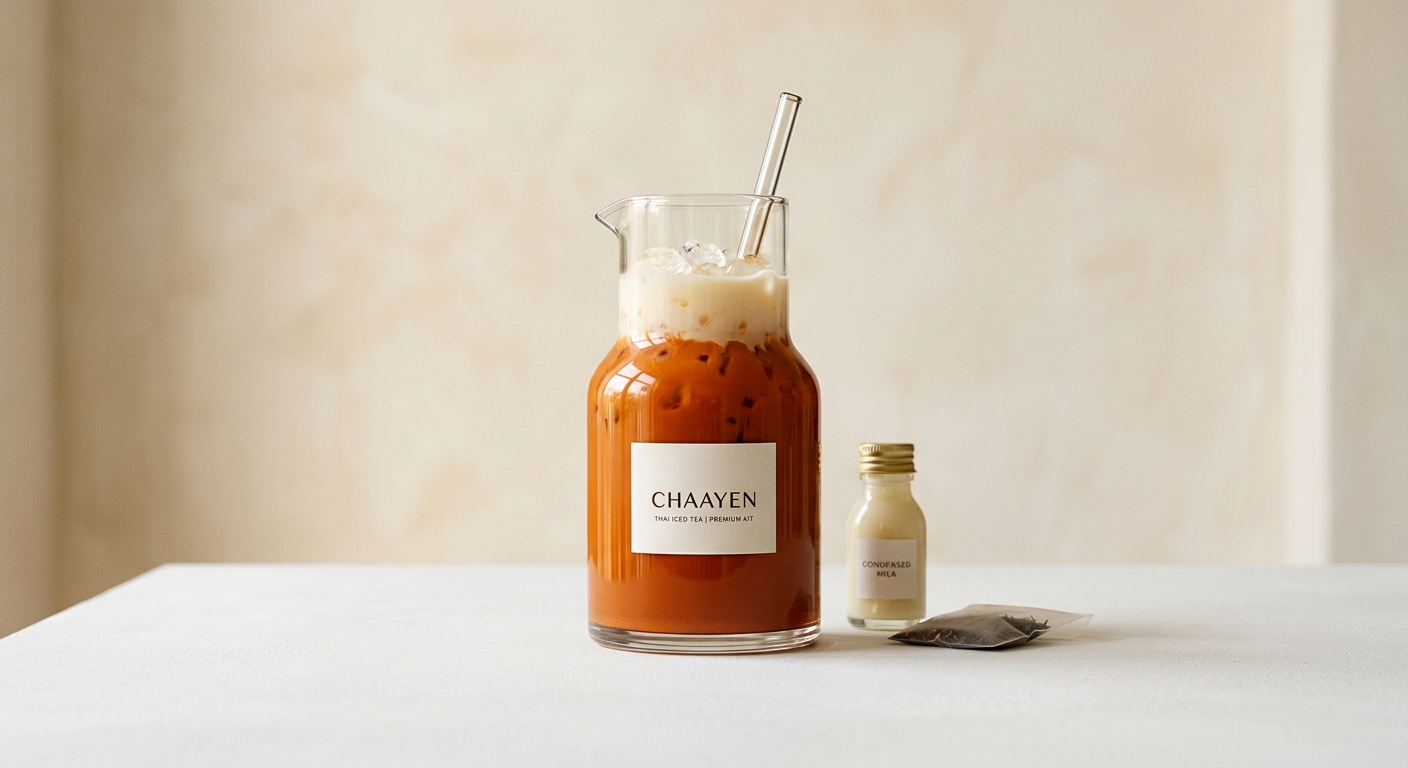
Fine, fast-steeping powder for smooth, low-fuss cups.
Check price on Amazon →5. Yim Natural (no dye) — the clean-label choice
If the neon orange puts you off — it's synthetic food dye, usually Sunset Yellow — this is where to go. A natural loose-leaf blend with no artificial coloring brews a handsome reddish-amber instead of highlighter orange, and you keep the roast and the spice. You lose the Instagram glow, so lean on a bright condensed-milk float for the two-tone look. This is the honest answer to "which brand has no food coloring."

Same spiced roast, natural amber color, clean label.
Check price on Amazon →6. From scratch — for the tinkerers
You can absolutely build your own from roasted Assam plus whole star anise, tamarind seed, and a little vanilla — total control, no dye, and a fun rabbit hole. It's also the most work and the easiest to get wrong before you dial it in, so we only recommend it once you already know what a good cup should taste like. If that's you, our full method walks through the ratios.
→ The authentic Cha Yen method, step by step
Don't skip the filter sock
Whatever mix you land on, a traditional cloth filter (the "tung tea" sock) strains the fine leaves and aerates the pour — the single cheapest upgrade to your brew, and a big part of why stall tea tastes silkier than a French-press version.
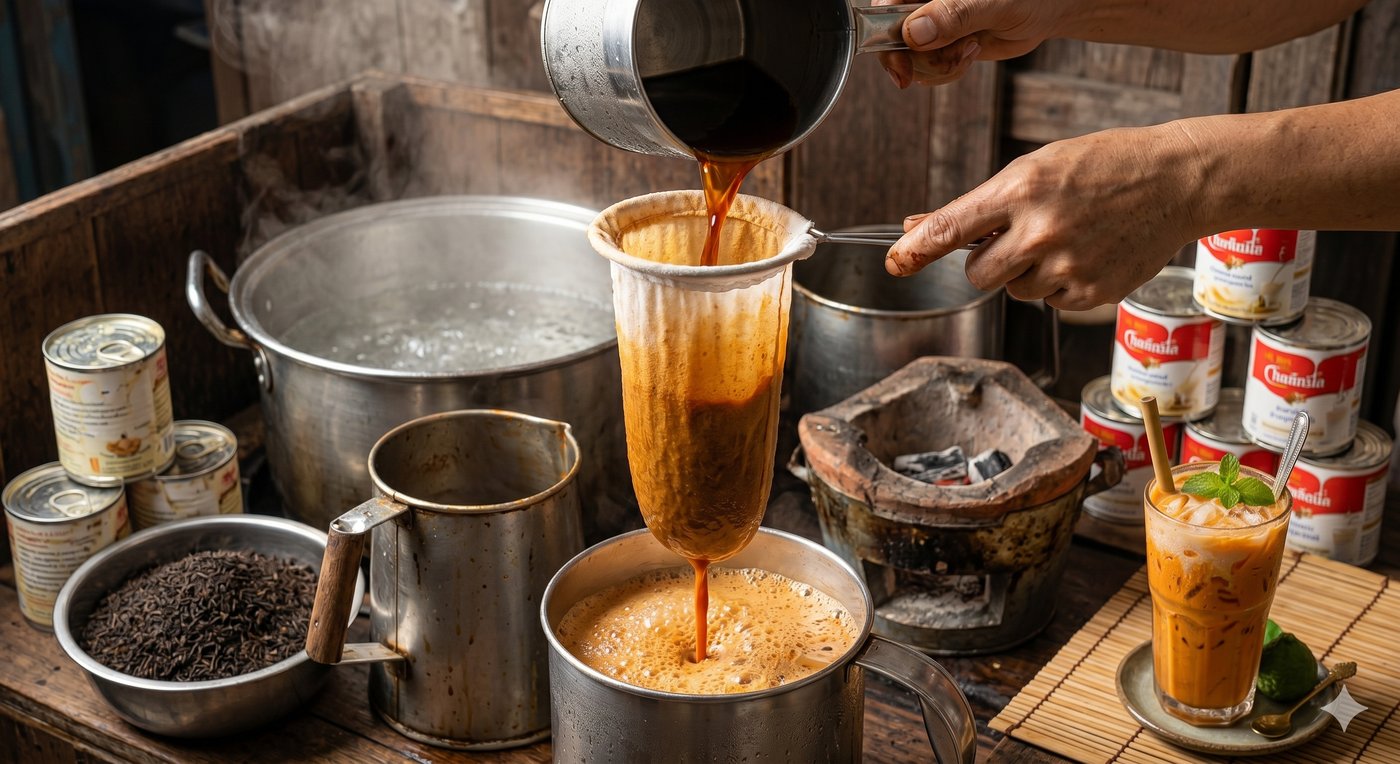
The exact style used at street stalls. Rinse, dry, and reuse for years.
Check price on Amazon →The verdict
For nine out of ten people, ChaTraMue is the answer — the truest street-stall flavor with zero fuss. Buying for a crowd or on a budget? Pantai stretches further. Want a cheaper ChaTraMue-alike? Hand Brand. Avoiding dye? Go natural loose-leaf and make peace with the amber color. You genuinely can't go badly wrong with anything on this list — they're all a few cents a glass — but start with ChaTraMue and branch out from there.
FAQ
Is ChaTraMue the same as the Thai tea served in restaurants?
For the most part, yes. The majority of Thai restaurants and Bangkok street stalls brew ChaTraMue (Number One Brand), which is exactly why a home batch made with it tastes so close to what you order out. Some higher-end cafés blend their own, but ChaTraMue is the default.
Which Thai tea brand has no food coloring?
The classic orange comes from added dye (usually Sunset Yellow / FD&C Yellow 6). For a clean label, choose a natural loose-leaf blend like Yim that states "no artificial coloring," or an uncolored mix. You keep the roast and spice but get a natural reddish-amber instead of neon orange.
What actually makes Thai tea orange?
Food coloring in the mix, plus the milk. Most commercial Thai tea mixes are dyed for that signature glow, and the condensed-milk float then lightens it to the two-tone orange you know. Uncolored blends brew a natural amber and won't glow the same way.
Do I need a special mix, or can I use regular black tea?
You need a Thai tea mix or a proper scratch blend. Plain black tea is missing the heavy roast and the star-anise and tamarind spicing, so it won't taste like Cha Yen no matter how much condensed milk you add.
Keep reading
- The authentic Cha Yen recipe
- Why Thai tea is orange
- The full Thai tea pantry & gear
- The 2026 Thai Tea Power List
Disclosure: this page contains affiliate links. As an Amazon Associate, Chaayen earns from qualifying purchases at no extra cost to you. We only link gear we'd actually brew with.