Home › Facts & Health › Why Is My Thai Tea Gritty or Cloudy?
Why Is My Thai Tea Gritty or Cloudy? How to Get a Clear, Smooth Cha Yen
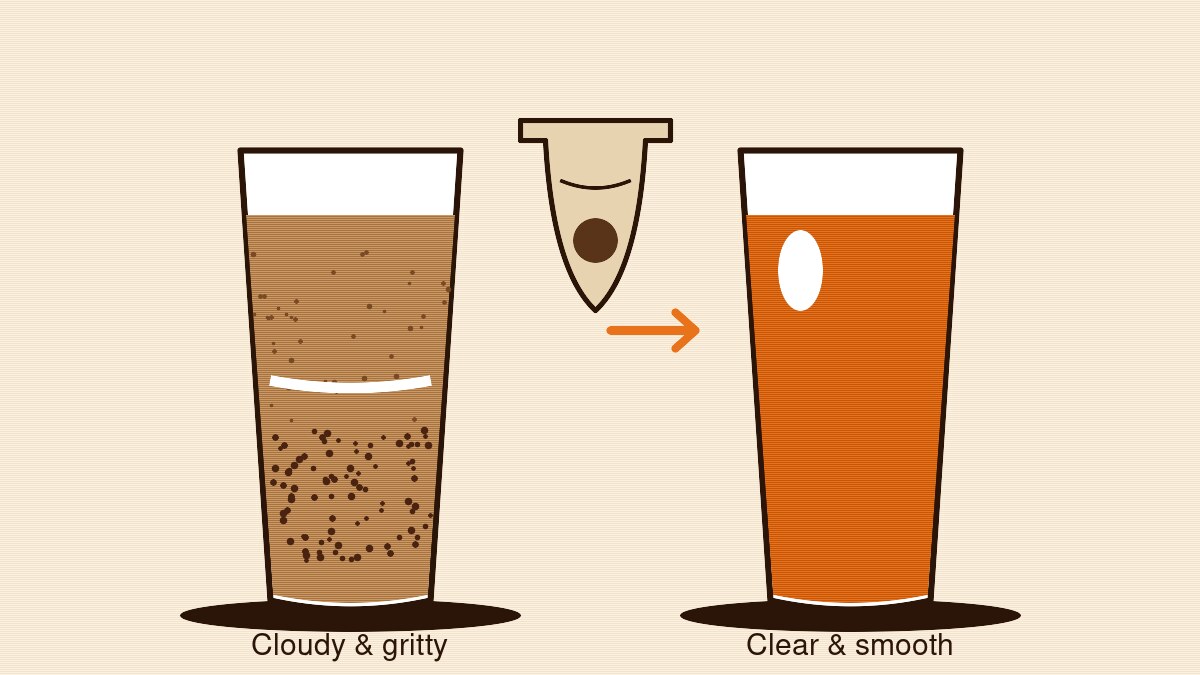
The tea tastes right, but there is a layer of grit at the bottom of the glass, or the whole drink has gone murky and brown instead of glowing orange. Gritty and cloudy Thai tea are two different problems that look alike, and both are fixable in the next brew. Here is what causes each, most common first, and the habits Bangkok street vendors use to keep cha yen clear.
The most likely causes, most common first
- Fine leaf is getting through the strainer. Thai tea mix is a fine-cut, roasted black tea, much smaller than ordinary tea leaf. A standard kitchen sieve or a tea ball has holes big enough for the smallest pieces to slip through and settle at the bottom of your glass. This is the cause of nearly every gritty cup.
- You poured out the sediment at the bottom of the pot. Even with a decent strainer, the last bit of liquid carries the heaviest particles. Tipping the pot all the way, or squeezing the leaves, sends them into the glass.
- The concentrate went cloudy as it cooled. Black tea contains compounds that bind together as the liquid chills, so the brew turns hazy in the fridge. This is a well-known effect in iced tea generally. It is harmless, and it usually clears when you add hot water or warm the tea back up.
- Hard water. Dissolved minerals can react with tea compounds and make the brew look murkier and taste flatter. If your kettle fills with limescale, your tap water is a suspect.
- Over-steeping or stirring. Past about 6 minutes, or with vigorous stirring and pressing of the leaves, you pull out more fine particles and more tannin, which means more haze as well as bitterness. If it also tastes harsh, read why is my Thai tea bitter.
If the problem is specifically that the milk looks grainy or has separated into flecks, that is a different cause. See why Thai tea curdles or separates.
How to fix it
These are the steps Bangkok stalls use, adapted to a home kitchen. Test them one at a time if you want to know which one was your problem.
- Strain through cloth, not mesh. Bangkok stalls brew in a big pot and pour through a cloth filter sock, a long cotton bag that catches the fine leaf. At home, a paper coffee filter in a dripper does the same job, just more slowly.
- Strain twice if needed. Pour through a fine sieve first to remove the bulk of the leaf, then through the cloth or paper filter.
- Rest, then pour slowly. After steeping 4–5 minutes, let the pot stand for about 2 minutes. Pour in one steady stream and stop when you reach the last finger of liquid. Leave that behind.
- Do not squeeze the leaves. Lift the sock or filter out and let it drain. Squeezing pushes fine particles and tannin through.
- Cool gradually. Let the sweetened concentrate cool on the counter for 30–45 minutes, until it is about room temperature, before it goes into the fridge. Plunging a hot brew into the cold is the most reliable way to trigger haze.
- Rescue a cloudy batch. Stir in a small splash of just-boiled water (a tablespoon or two per cup) and the haze usually clears. This does not change the drink beyond slightly thinning it.

The standard stall tool and the real fix for grit. The cotton weave is fine enough to catch the small leaf pieces a metal sieve lets through.
Check price on Amazon →If you do not have a filter sock
Paper cone coffee filters in a plastic dripper sitting on top of a jug work well and cost very little. They are slower, so pour in stages rather than all at once.
The fastest low-cost fix for sediment. Pour the strained concentrate through one more time and the grit is gone.
Check price on Amazon →How to stop it happening again
- Brew with filtered water if your tap is hard. Do one test: make the same batch with filtered and unfiltered water and compare them side by side. If the filtered one is clearer, you have your answer.
- Keep steep time to 4–5 minutes. It gives you the strength without the extra haze. The full dose and ratio are in the weak and watery guide.
- Make concentrate in one batch and decant it. Store it in a jar, and when you pour, leave the last bit in the jar. Our concentrate guide covers storage.
- Use fresh mix. Old, broken-up mix produces more dust. Seal the bag after each use. If you are choosing a mix, our brand comparison covers the options.
- Pour cold concentrate over ice, not hot tea. Fast chilling over ice is what makes a hot brew cloud up, so cool it first.
Worth it only if your tap water is hard. It gives you a quick way to test whether minerals are clouding your brew.
Check price on Amazon →| Symptom | Most likely cause | Fix |
|---|---|---|
| Grit at the bottom of the glass | Fine leaf through the strainer | Cloth sock or paper filter |
| Murky only after the fridge | Cooled too fast | Cool on the counter first; splash of hot water |
| Murky straight off the brew | Hard water or over-steeping | Filtered water, 4–5 minute steep |
| Flecks in the milk | Milk reaction, not leaf | See the curdling guide |
Once the brew is clear, build the drink the stall way. The full method is in the authentic cha yen recipe.
Frequently asked questions
Why is my Thai tea gritty?
Almost always because fine tea leaf and dust got past the strainer. Thai tea mix is a fine-cut, roasted black tea, and an ordinary kitchen sieve lets the smallest particles through. Strain through a cloth filter sock, which is what Bangkok stalls use, or through a paper coffee filter, and pour slowly so the settled grit at the bottom of the pot stays behind.
Why does my Thai tea go cloudy in the fridge?
Black tea contains compounds that bind together as the liquid cools, and the tea turns hazy. This is often called tea cream. It is harmless and does not change the safety of the drink. Cooling the brew gradually at room temperature before it goes into the fridge reduces it, and stirring in a splash of hot water will clear a cloudy glass.
Is cloudy Thai tea safe to drink?
Cloudiness from cooling is just tea solids and is not a safety concern. Cloudiness that comes with a sour smell, slime, or fuzzy growth means the concentrate has spoiled and should be thrown away. Concentrate that has been sweetened with condensed milk should be kept cold and used within 3 to 4 days.
Does hard water make Thai tea cloudy?
It can. Minerals in hard water react with tea compounds and make the brew look murkier and taste flatter. If your tap water leaves limescale in the kettle, brewing with filtered water is a cheap test: make the same batch with filtered water and compare the two.
How do I get the sediment out of Thai tea I already made?
Let the concentrate stand undisturbed for 10 to 15 minutes so the grit settles, then pour it off slowly through a paper coffee filter or a clean cloth filter, leaving the last finger of liquid behind. Do not squeeze the leaves or stir the bottom of the pot.
Keep reading
- Why is my Thai tea bitter? Six causes and the fix for each
- Why is my Thai tea curdling? Separated, grainy milk fixed
- Why is my Thai tea weak and watery?
Disclosure: this page contains affiliate links. As an Amazon Associate, Chaayen earns from qualifying purchases at no extra cost to you.