Home › Facts & Health › Thai Milk Tea vs Thai Iced Tea
Thai Milk Tea vs Thai Iced Tea: Are They the Same Drink?
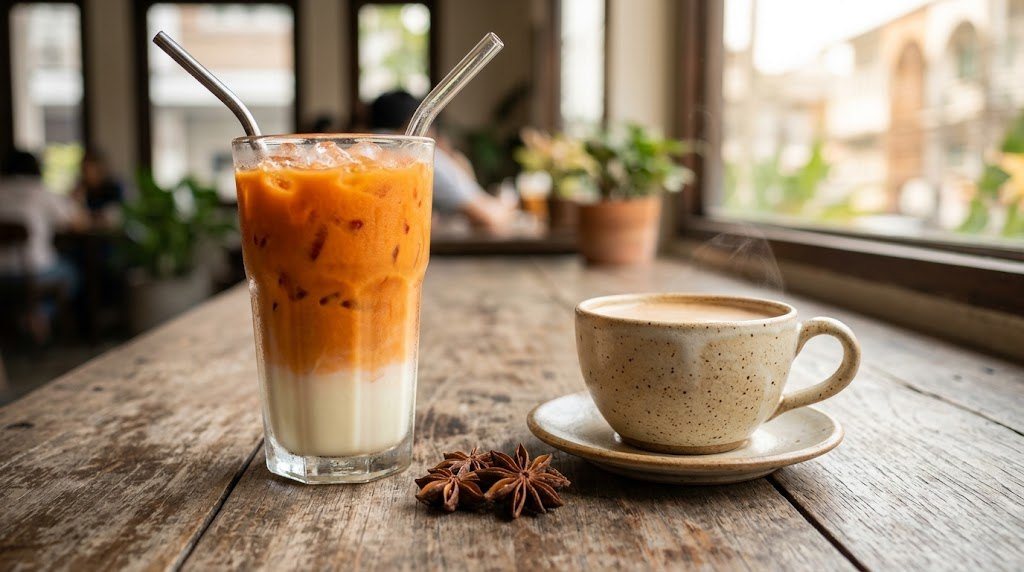
Short answer: almost always the same drink. When a menu says "Thai milk tea" and the shop next door says "Thai iced tea," you're getting the same sweet, creamy, orange cha yen nine times out of ten. The two names just emphasize different things - the milk, or the ice. But there are a couple of real exceptions worth knowing, and this guide walks through all of them.
Why the two names mean the same thing
The drink at the center of all this is cha yen (ชาเย็น), which literally translates to "cold tea." It's built from strongly brewed Thai tea - black tea blended with spices like star anise and tamarind, and usually a touch of orange food coloring - then sweetened with sugar and finished with evaporated milk and sweetened condensed milk, poured over a tall glass of ice.
Because that one drink has both prominent milk and plenty of ice, English menus grabbed whichever half they liked. Some wrote "Thai milk tea" to sell the creaminess; others wrote "Thai iced tea" to signal it's served cold. Add in "Thai tea," "cha yen," "Thai tea boba," and "Thai bubble tea," and you've got half a dozen names pointing at the same orange glass. If you've ever wondered why Thai tea is orange, that shared base is exactly why every one of these names shows up the same color.
| Name on the menu | What you actually get | Same as cha yen? |
|---|---|---|
| Thai milk tea | Sweet orange tea with condensed & evaporated milk, iced | Yes |
| Thai iced tea | Sweet orange tea with milk, served over ice | Yes |
| Thai tea / cha yen | The original name for the same drink | Yes |
| Cha dam yen | Sweet iced Thai tea, no milk (clear reddish-orange) | No - milk-free |
| Cha manao | Thai tea with fresh lime instead of milk, bright and dairy-free | No - milk-free |
| Cha ron | Hot Thai milk tea, same flavor served warm | Same flavor, not iced |
It helps to think of "Thai tea" as a family rather than a single recipe. One spiced black-tea base gives you several close cousins: cha yen (the famous orange iced milk tea), cha dam yen (the same tea black over ice), and cha manao (finished with fresh lime instead of dairy). So "Thai milk tea" isn't a rival drink - it's just the English way of specifying the milky member of that family.
The real differences (when there are any)
Two exceptions are worth keeping straight, because these are the only times the wording actually changes what lands in front of you.
1. Milk vs no milk: cha yen vs cha dam yen
If a shop offers a milk-free version, it's usually labeled cha dam yen - "cold black tea." It uses the same brewed, sweetened Thai tea base but skips the condensed and evaporated milk, so it pours a translucent reddish-orange instead of the creamy pastel orange. It's lighter, a little more tart, and closer to a sweet iced tea. So "Thai iced tea" can occasionally mean this no-milk version - which is the one situation where "milk tea" and "iced tea" genuinely diverge. When it matters, just ask: "Does it come with milk?"
2. Hot vs cold: cha yen vs cha ron
The word yen means cold. Order the same drink hot and it becomes cha ron ("hot tea") - identical flavor, milk and all, just steaming instead of iced. So "Thai milk tea" served hot isn't really a different recipe, only a different temperature. For the full flavor picture either way, see our breakdown of what Thai tea tastes like.
Thai tea vs. generic "milk tea"
There's a second question hiding inside this one. "Milk tea" is also a broad category label - any tea with milk stirred in, from Hong Kong-style to a plain boba shop cup. That's a genuinely different thing from Thai tea, and the dividing line is the tea base and the finish.
| Thai tea (cha yen) | Generic milk tea | |
|---|---|---|
| Tea base | Strong spiced black tea blend | Any black or green tea |
| Color | Vivid orange | Brown or tan |
| Milk | Condensed + evaporated milk | Fresh milk, creamer, or none |
| Flavor | Bold, sweet, lightly spiced | Simpler, milkier, less spiced |
| Origin | Thailand | Broad tea-and-milk tradition |
The color is the fastest giveaway
That neon-orange hue is the quickest way to tell Thai tea from an ordinary milk tea. It comes from the coloring in traditional Thai tea mixes, which reads bright orange once pale evaporated milk hits the deep brown brew. A regular milk tea keeps the natural brown of steeped leaves.
One exception: boba shops
Bubble-tea shops across Asia use "milk tea" as a catch-all for the tea-plus-milk-plus-tapioca category, so a "Thai milk tea" on a boba menu may simply be cha yen with pearls added - see our guide to Thai tea boba. Meanwhile plain "Thai tea" there might arrive only lightly sweetened so you can customize it. When in doubt, ask whether it's made with condensed milk - that one ingredient is the heart of authentic cha yen.
What's actually in the glass
No matter which name a cafe uses, authentic cha yen comes down to four building blocks. Getting these right is the whole game, and it's also where the "milk tea" label earns its name - the dairy is doing a lot of the work.
- Thai tea mix - strong black tea pre-blended with star anise, tamarind and other spices. This is the flavor and the color.
- Sugar - dissolved into the hot brew.
- Evaporated milk - stirred in for body and that pale orange hue.
- Sweetened condensed milk - the finishing drizzle that makes it dessert-sweet and creamy.
Want the exact ratios and pour technique? Our authentic Thai tea recipe lays out the full method, and if you're curious about the tea itself, here's what Thai tea is made of.
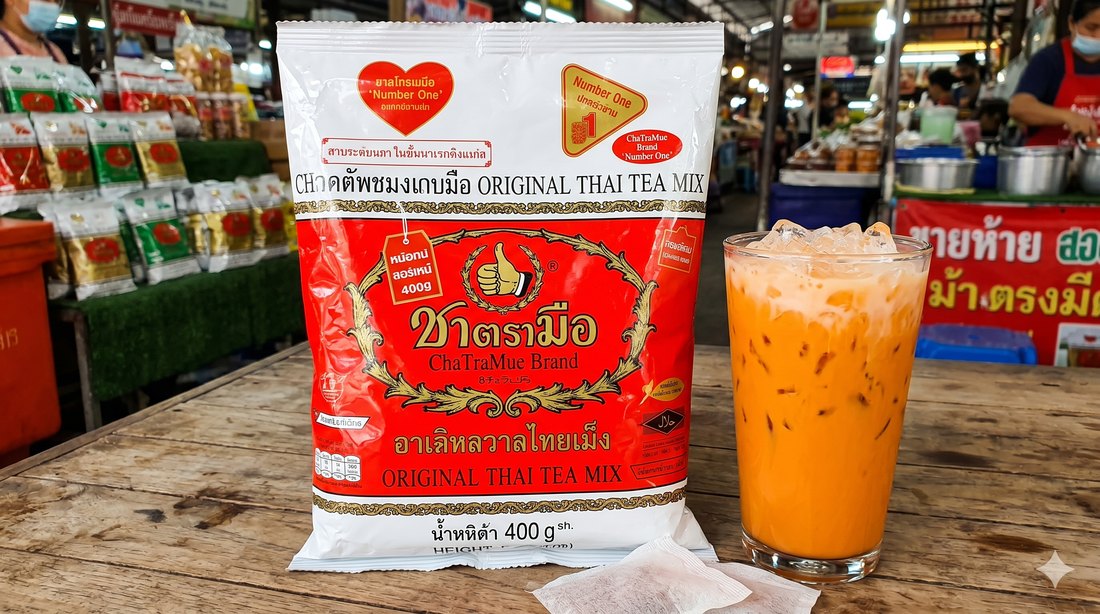
The classic Number One Brand mix used in Thai cafes - it's the tea base behind both "Thai milk tea" and "Thai iced tea." One bag makes dozens of glasses.
Check price on Amazon →Make either version at home
Because they're the same drink, one setup covers both. Brew a strong pot of Thai tea mix, sweeten it while hot, chill it, then pour over ice. For "milk tea," finish with a generous swirl of evaporated and sweetened condensed milk. For a lighter "iced tea" (cha dam yen style), skip the milk entirely and just serve the sweet tea over ice. Same base, two glasses.
The one item most home brewers underestimate is the milk. The signature layered look and caramel richness come specifically from Thai-style evaporated and sweetened condensed milk - not regular dairy or creamer.
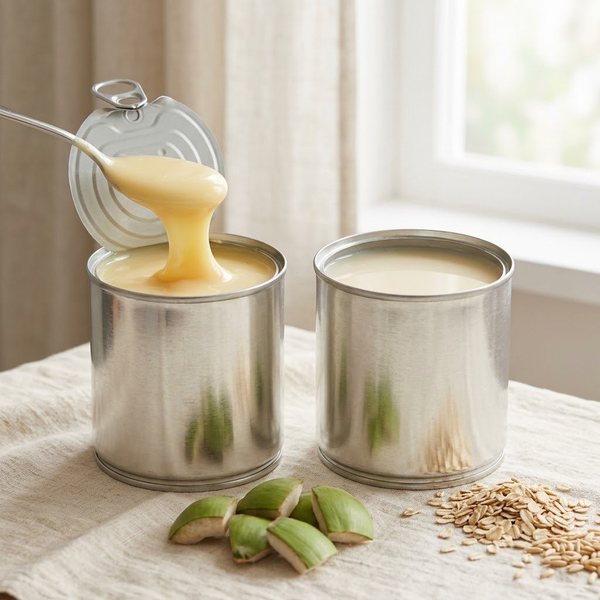
The two-milk combo that turns plain brewed tea into proper Thai milk tea. Keep both in the pantry and you can pour a cafe-style glass any time.
See milk options on Amazon →If you'd rather grab everything in one go - tea mix, milk and a proper long spoon for that layered pour - a starter bundle is the simplest path.

Mix, milk and tools together so your first "milk tea vs iced tea" experiment is just a matter of whether you add the milk or not.
Browse Thai tea kits on Amazon →So which should you order?
Honestly, order whichever one is printed on the menu - you'll get that lovely orange cha yen either way. The only time to slow down and ask a question is if you specifically want it without milk (ask for cha dam yen) or hot (ask for cha ron). Everything else is just branding.
FAQ
Is Thai milk tea the same as Thai iced tea?
In almost every cafe, yes. Both refer to cha yen - strong orange Thai tea brewed from spiced black tea, sweetened, mixed with milk, and served over ice. The names are used interchangeably; "milk tea" emphasizes the creamy milk while "iced tea" emphasizes that it's served cold, but you get the same glass either way.
What is the difference between Thai milk tea and Thai iced tea?
For most menus there's no difference - they're two names for the same drink. The only real exceptions are a hot version (cha ron) and a milk-free iced version (cha dam yen, sweet black Thai tea with no milk). If milk matters to you, ask whether the drink comes with condensed and evaporated milk.
Can you get Thai iced tea without milk?
Yes. That version is called cha dam yen - sweet iced Thai tea with no milk, so it's clear reddish-orange rather than creamy pale orange. It has the same brewed tea base and sugar but skips the condensed and evaporated milk, making it lighter and slightly more tart.
Why is Thai milk tea orange?
The signature orange traditionally comes from food coloring in many commercial Thai tea mixes, plus the strong brew lightened by pale milk into that Instagram orange. Some artisan blends skip the dye and brew a natural reddish-brown instead.
What makes Thai tea different from regular milk tea?
Thai tea uses a strongly brewed, spiced black-tea base - often with star anise, tamarind and vanilla notes - and is finished with condensed and evaporated milk. Generic milk tea usually means any black or green tea with milk added, and lacks the signature spice blend and deep orange color.
Keep reading
- What does Thai tea taste like?
- Why is Thai tea orange?
- The authentic Thai tea recipe
- Thai tea vs bubble tea
Disclosure: this page contains affiliate links. As an Amazon Associate, Chaayen earns from qualifying purchases at no extra cost to you. We only link gear we’d brew with.