Home › Facts & Health › The History of Cha Yen
The History of Cha Yen
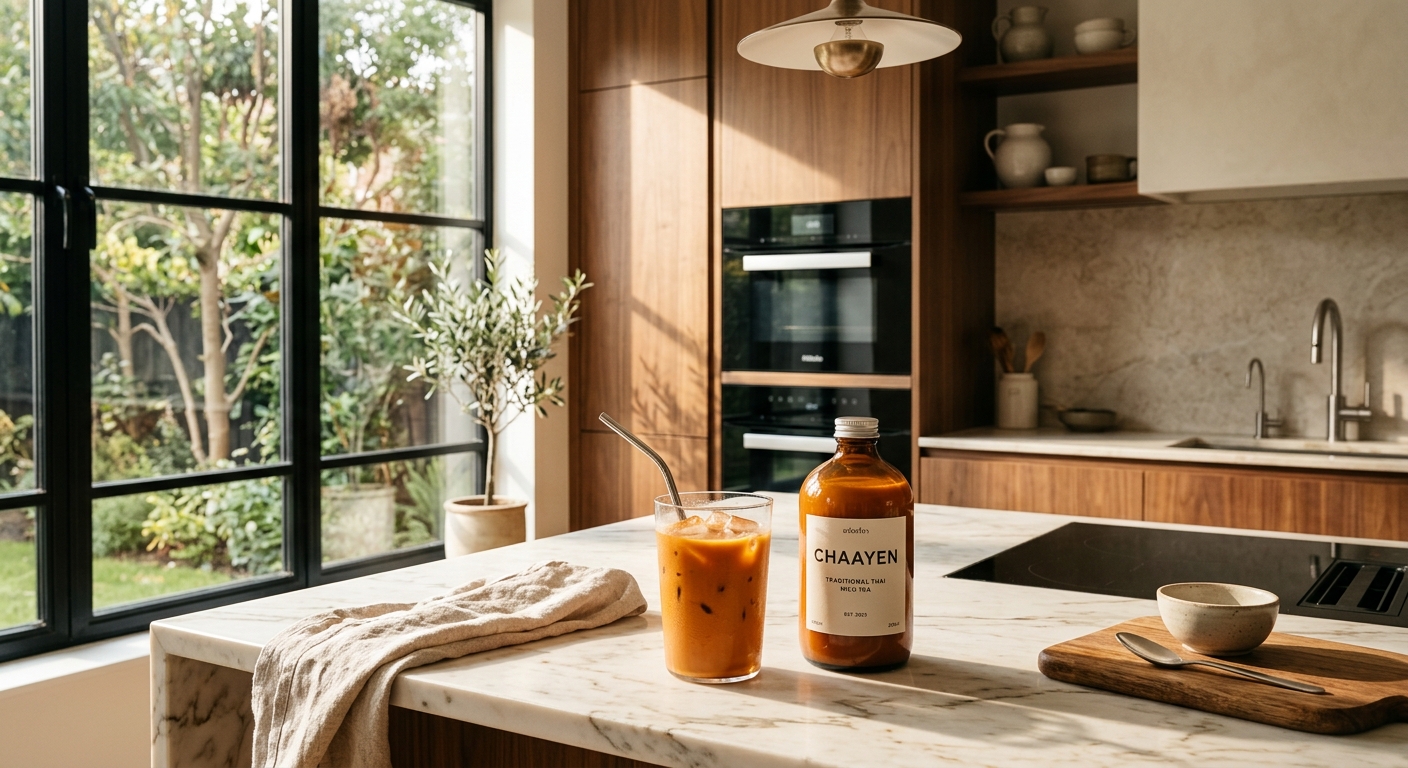
Thai iced tea is barely a century old, yet it has become one of the most recognizable drinks on earth. Its story runs through trade, national identity, street carts, and one very famous brand.
Tea arrives in Thailand
Although tea plants grow wild in the north, the habit of drinking brewed black tea as a sweet, milky beverage took hold in Thailand in the early-to-mid 20th century, shaped by trade with China and the influence of British-style milk tea across the region. Thai cooks adapted it to local taste: stronger roast, bolder spice, more sweetness.
The "Thai-fication" of milk tea
During the nation-building era of the 1930s-40s, foods and drinks were often reframed as distinctly Thai. Milk tea was no exception. Vendors leaned into a heavily roasted blend spiced with star anise and tamarind, sweetened with condensed milk, and - crucially - poured over ice to suit the tropical climate. Cha Yen, literally "cold tea," was born.
ChaTraMue and the orange brand
Founded in 1945, ChaTraMue (the "Number One Brand") became the defining producer of Thai tea mix. Its consistent, brightly colored blend gave vendors a reliable product and gave the drink its instantly recognizable sunset hue. To this day it is the mix behind the majority of stalls.
Street carts and everyday ritual
What cemented Cha Yen was the street cart. Affordable, fast, poured with a theatrical pull between two metal cups, and handed over in a plastic bag or cup of ice - it became an everyday ritual across Thailand, from market mornings to late-night food streets.
Going global
Thai restaurants abroad put Cha Yen on their menus as a sweet finish to spicy meals, and its photogenic two-tone orange made it a natural social-media star. Today it appears in bubble-tea shops, cafes, and home kitchens worldwide - and inspires lattes, cold brews, and even desserts.
Brew a piece of the history
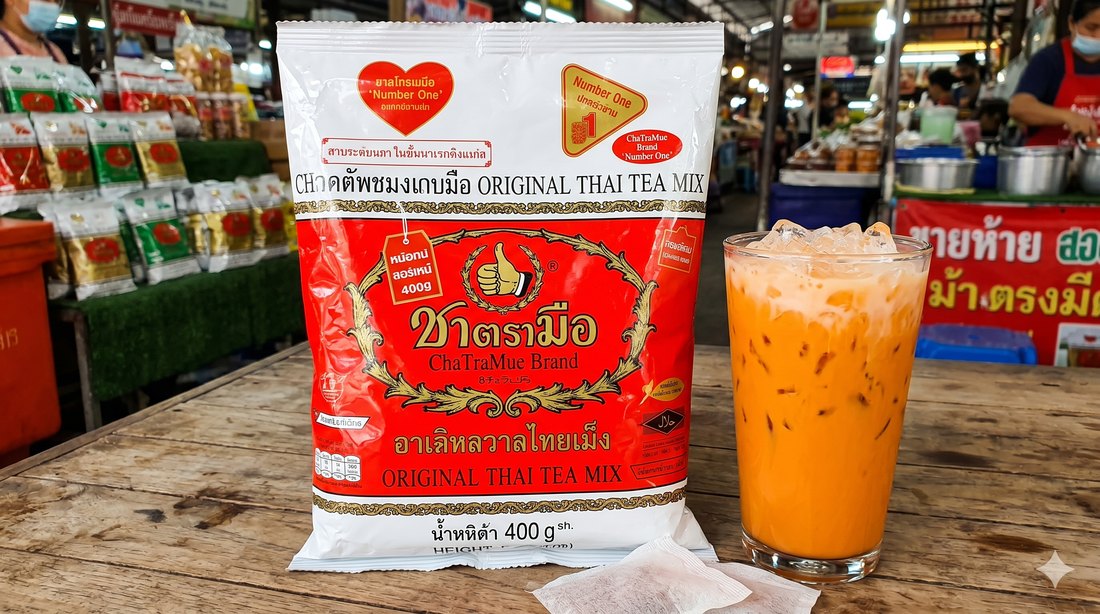
The same 1945-era blend behind the street carts - make the classic at home.
Check price on Amazon →FAQ
How old is Thai iced tea?
The modern sweet, iced, spiced form took shape in the mid-20th century, with ChaTraMue founded in 1945.
Did Thai tea come from India or China?
It is a Thai adaptation influenced by regional milk-tea traditions tied to Chinese and British trade, reworked with local roast, spice, and sweetness.
Keep reading
Disclosure: this page contains affiliate links. As an Amazon Associate, Chaayen earns from qualifying purchases at no extra cost to you. We only link gear we'd brew with.